
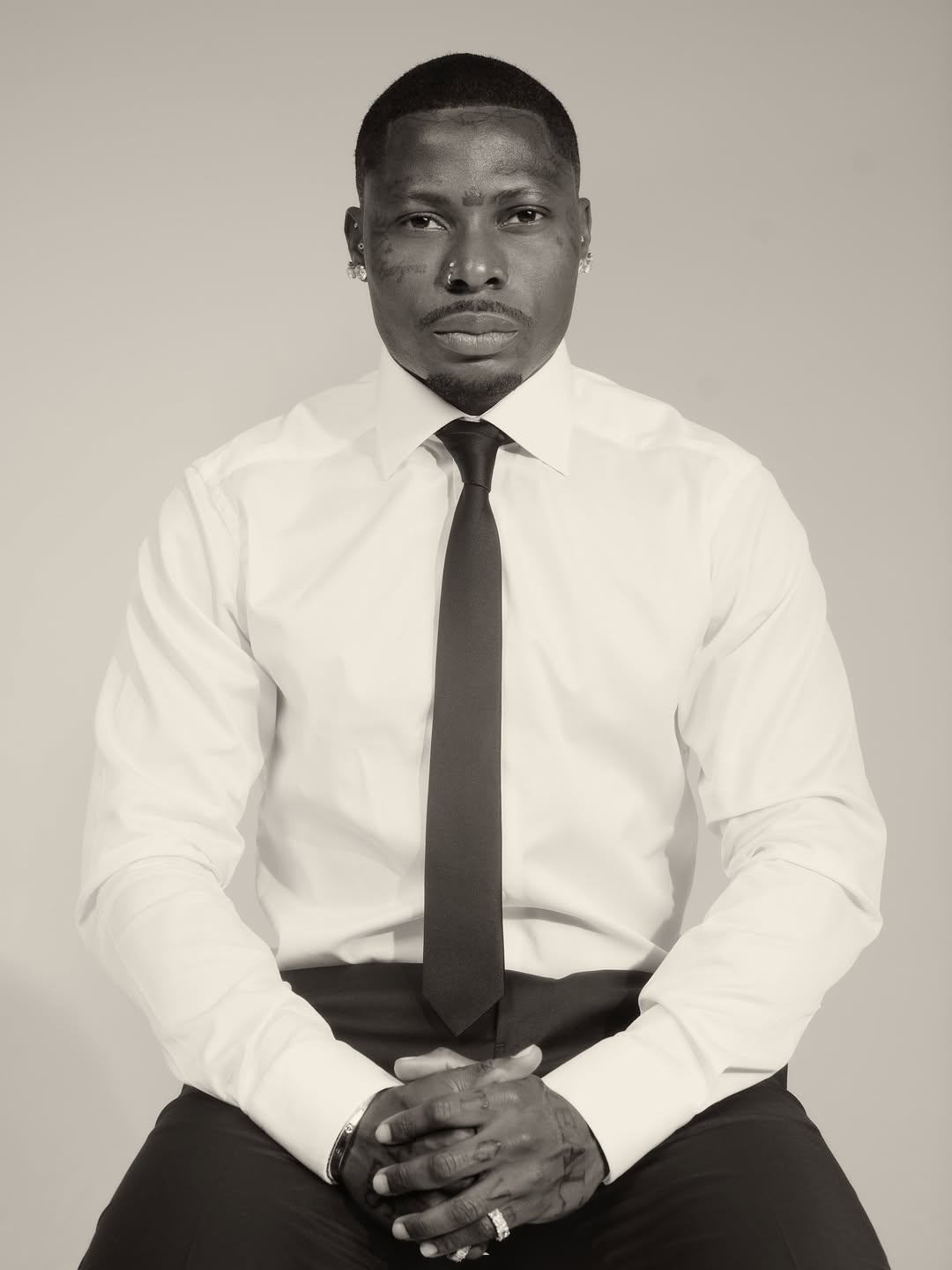
Full Name: Ahmed Ololade
Born: January 13, 1995, Lagos
Raised: Mushin, Lagos
Education: Theatre and Performing Arts, Obafemi Awolowo University
Labels: YBNL Nation, EMPIRE
Genres: Afrobeats, Fuji-fusion, Street-pop
Two Years of Begging Olamide
Asake's signing to YBNL Nation is one of the more candid origin stories in Nigerian music, mostly because he's told it himself without the usual polish. "I begged Olamide for two years before he agreed to sign me," he's said directly. That persistence followed years of independent grinding — signed briefly to the now-defunct TFT Records in 2018, releasing Kanipe in February 2019, then building through singles like Ayeeza and Lady in 2020, which got nods from tastemakers Broda Shaggi and Tunde Ednut and effectively launched his career. Mr Money, also 2020, became a club staple across Lagos and Port Harcourt, and its remix with Peruzzi and Zlatan Ibile earned him his first appearance on the Apple Music Top 100 Nigeria chart.
The Verse Olamide Wasn't Supposed to Hear
The actual turning point happened almost by accident. Olamide heard an unreleased version of Omo Ope and recorded a guest verse on it himself, without it being the plan going in. Soon after, he invited Asake to a meeting and signed him to YBNL Nation on February 8, 2022. Asake immediately released his debut EP, Ololade Asake, featuring Omo Ope, Sungba, Trabaye and Baba God — Omo Ope became his breakthrough song nationally.
Mr. Money With The Vibe
His debut studio album, Mr. Money with the Vibe, arrived September 8, 2022, following a distribution deal with EMPIRE that July. Produced largely by Kel-P and Magicsticks, the 12-track album blended Afrobeats, Fuji and classical elements with glowing pop production, broke the record at the time for the biggest opening day for an African album on Apple Music, and debuted at number 66 on the Billboard 200 — a genuinely rare feat for a debut album from an artist who'd only been signed seven months earlier. Singles Terminator, Peace Be Unto You and the Burna Boy-featured Sungba remix all became hits.
🔗 Also Read
Asake ft. Wizkid – MMS (Lungu Boy Album)From Mushin Streets to Barclays Center
Asake was raised in Mushin, one of Lagos's densest and most musically formative neighbourhoods, where he got his basic education before going on to study Theatre and Performing Arts at Obafemi Awolowo University in Ile-Ife. That theatre background shows directly in his stagecraft — he became the first African musician to headline and sell out a concert at the Barclays Center in New York. His lyrical themes consistently centre on aspiration, the realities of street life, and gratitude for the hustle, delivered in a constantly shifting mix of Yoruba, English and Pidgin.
His catalogue has continued expanding through Work of Art (2023) and Lungu Boy (2024), already covered on this blog through tracks like MMS, Suru, Active and Wave, with collaborations spanning Fireboy DML, Wizkid, Stormzy, Travis Scott and Central Cee. The thread connecting all of it back to a kid in Mushin who spent two years convincing one record label boss to take a chance on him is the same thread that's now carried him onto Billboard charts and sold-out arenas across multiple continents.
▶ Listen on Apple Music
Post a Comment
Post Responsibly